Protocol Reference
Animal data only
BPC-157 + TB-500 Blend protocol
BPC-157 + TB-500 combination. The published work on this compound is animal or cell-culture research. No human dosing schedule exists to cite.
PepGuru Research Team·Reviewed Aug 2026
Common vials
10 mg (5/5), 20 mg (10/10)
Half-life
Not established in humans
Route in the literature
Subcutaneous
Evidence level
Animal data only
How BPC-157 + TB-500 Blend works
A fixed-ratio combination of the two most-discussed repair peptides, sold in one vial so a single draw delivers both. The pairing rationale is that the two act through different proposed pathways.
BPC-157 + TB-500 Blend dosing — what the literature actually supports
Animal data only. Neither component has a human dosing trial, so a combination of the two cannot have one either. No study has examined this pairing in humans at any amount. What the calculator can tell you is the per-component split of a given draw, which is a measurement question rather than a dosing one.
We publish a schedule when there is a citable human source and we say so when there is not. Filling this space with a number nobody measured would make the page look more complete and be worth less than nothing to you.
Reconstitution and measurement
This part is arithmetic and does not depend on the evidence level. Concentration is vial size divided by the bacteriostatic water you add. Draw volume is your target amount divided by that concentration. Units are draw volume times 100, because a U-100 syringe reads 100 units per millilitre. Common vials for BPC-157 + TB-500 Blend: 10 mg (5/5), 20 mg (10/10).
- Wipe the stoppers of both vials with an alcohol swab and let them dry.
- Draw the bacteriostatic water with a sterile syringe and inject it slowly down the inside wall of the peptide vial — never straight onto the powder.
- Swirl gently until the solution is clear. Do not shake; foaming and agitation damage peptides.
- Label the vial with the date and concentration, and refrigerate at 2–8 °C protected from light.
Open the BPC-157 + TB-500 Blend calculator → Unit converter
Storage and stability
Dry powder
Cold, dark and dry. Lyophilized peptide is the stable form — keep it that way until you intend to use it.
After reconstitution
Refrigerate at 2–8 °C, protect from light, and plan around a limited window. Do not freeze a reconstituted vial — freeze-thaw damages peptides.
Mixing
Run bacteriostatic water down the inside wall of the vial rather than onto the powder, then swirl. Never shake.
Inspect before use
A clear solution is expected. Cloudiness or particles mean discard, not use.
Full storage guide → · Cloudy solution?
Supplies math
Whatever amounts your research uses, the planning arithmetic is the same. The calculator runs all of this per compound.
Vials
Doses per vial = vial size in mg divided by your per-dose amount in mg. A 10 mg (5/5) vial at 500 mcg per dose is 20 doses; scale for your own numbers.
Syringes
One sterile U-100 insulin syringe per injection, plus roughly 10% spares for bent tips and mis-draws. Daily protocols run 30 or 31 per month.
Bacteriostatic water
1 to 3 mL per vial reconstituted. A single 10 mL bottle covers 3 to 10 vials, so one bottle usually outlasts several vials.
Alcohol swabs
Two per injection: one for the vial stopper, one for the site. A 100-count box covers about 7 weeks of daily work.
Subcutaneous technique and practical notes
General best practice from clinical injection guidance — the same fundamentals nurses are taught, none of it specific to any compound.
Fresh sterile syringe, every time
Reusing needles dulls the tip, hurts more, and is the easiest contamination route. Dispose of used syringes in a sharps container, not the bin.
Rotate sites
Abdomen (5 cm clear of the navel), thighs, upper arms. Rotating systematically prevents localised irritation and lipohypertrophy.
Slow and steady
Pinch a skinfold, insert at 45–90°, inject slowly, and wait a few seconds before withdrawing. Subcutaneous injections are not aspirated.
Write it down
Log the date, amount and site. A record is the only way to keep any research protocol consistent — and the first thing to review if anything looks off.
Reported effects
- No human safety data for either component or the combination.
Sourcing BPC-157 + TB-500 Blend
Whatever you are working with, the documentation matters more than the price. Ask for a batch certificate of analysis whose lot number matches the vial you actually receive — a COA for a different batch tells you nothing about yours.
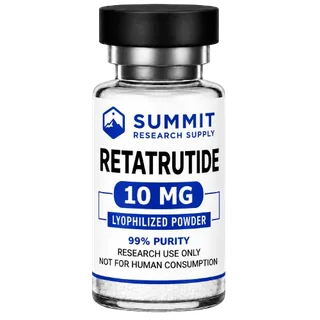
BPC-157 + TB-500 Blend at Summit Research Supply → Grade a COA first
Summit is the supplier we feature and an affiliate link. Our COA checklist applies the same way to any vendor.
Sources and further reading
For laboratory research use only. This page documents what the published literature reports about BPC-157 + TB-500 Blend. It is not a recommendation, not a treatment plan, and not medical advice. Compounds referenced are sold strictly as research chemicals and are not for human or veterinary use. Some supplier links are affiliate links and may earn us a commission. This never affects tier placement or review conclusions.