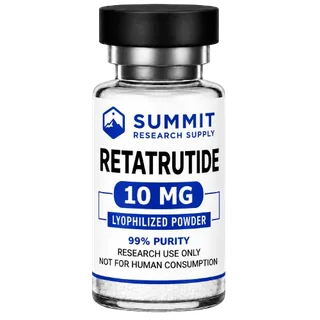
Research Peptides & the Law: RUO, Labeling & COAs
If you have looked at research peptides, you have seen the phrases "research use only," "not for human consumption," and "for laboratory research." This explainer covers what that language means and why it is there, in general terms. Laws differ by country and state and change over time, so treat this as background education — not legal advice, and not a green light for any particular use.
What "research use only" (RUO) means
RUO is a labeling and marketing category: the product is sold as a reagent for laboratory research, not as a drug, supplement, or food approved for people. It has not been through the approval process that governs medicines, so it carries no approved use, dosing, or safety labeling for humans. That is the entire reason the "not for human consumption" language exists — it defines what the seller is (and is not) offering.
Why peptides are sold this way
Many research peptides are investigational — studied in trials or preclinical work but not approved as finished drugs. Selling them as research chemicals keeps them available to labs and researchers without making medical claims. It also means the buyer, not a regulator, is responsible for how the material is handled, and there is no medical oversight built into the transaction.
What a COA does and does not prove
A certificate of analysis from an independent lab (e.g., Janoshik or ACS Labs) documents that a specific batch was tested for identity and purity — that the vial contains what the label says, at the stated purity, at the time of testing. A COA is strong evidence of quality control. It is not a safety approval, not a promise about any use in a person, and it only speaks to the batch it references — always match the batch number. See the COA reading guide for how to check one.
Jurisdiction and import realities
Whether a given compound can be legally purchased, possessed, or imported depends entirely on where you are, and rules change. Some compounds face import restrictions or scheduling in certain countries. "A company will ship it" is not the same as "it is legal where you are." Confirming that for your own jurisdiction is on you — this site cannot do it for you.
Practical buyer due diligence
Regardless of the legal framing, the same signals separate a serious supplier from a risky one: current, independent, batch-matched COAs you can actually read; clear labeling and honest sourcing; contactable support and a real reship/replacement policy; and no medical or curative claims. Our standards guide explains how we weight those, and the supplier board applies them.
Key takeaways
- RUO / "not for human consumption" defines the product as a lab reagent, not an approved drug.
- Peptides are sold as research chemicals because many are investigational, not approved medicines.
- A COA proves batch identity and purity at test time — not safety or any approved human use.
- Legality depends on your jurisdiction and changes; confirming it is the buyer's responsibility.